

}

Why We Photograph

Le Therapist
29 May 2026

There is a question we never ask often enough: why do we photograph so much when we travel? And why, despite the thousands of photos taken, do we remember so little of certain journeys?
__wf_reserved_inherit

Photography as presence or as escape

Researchers at Stanford University ran a striking experiment: two groups of visitors in a museum. The first photographed the works. The second simply looked. A memory test a week later showed the camera-free group remembered the details far better. The explanation is counterintuitive: the act of photographing delegates memorisation to the device, which frees the brain from the effort of real attention. We photograph in order not to truly see.

But photography can also work the other way. When it is intentional, slow, considered, it forces you to look differently. You search for an angle, a light, a moment. You learn to compose. You give value to the ephemeral. It is a training in sensitivity.

The case for film

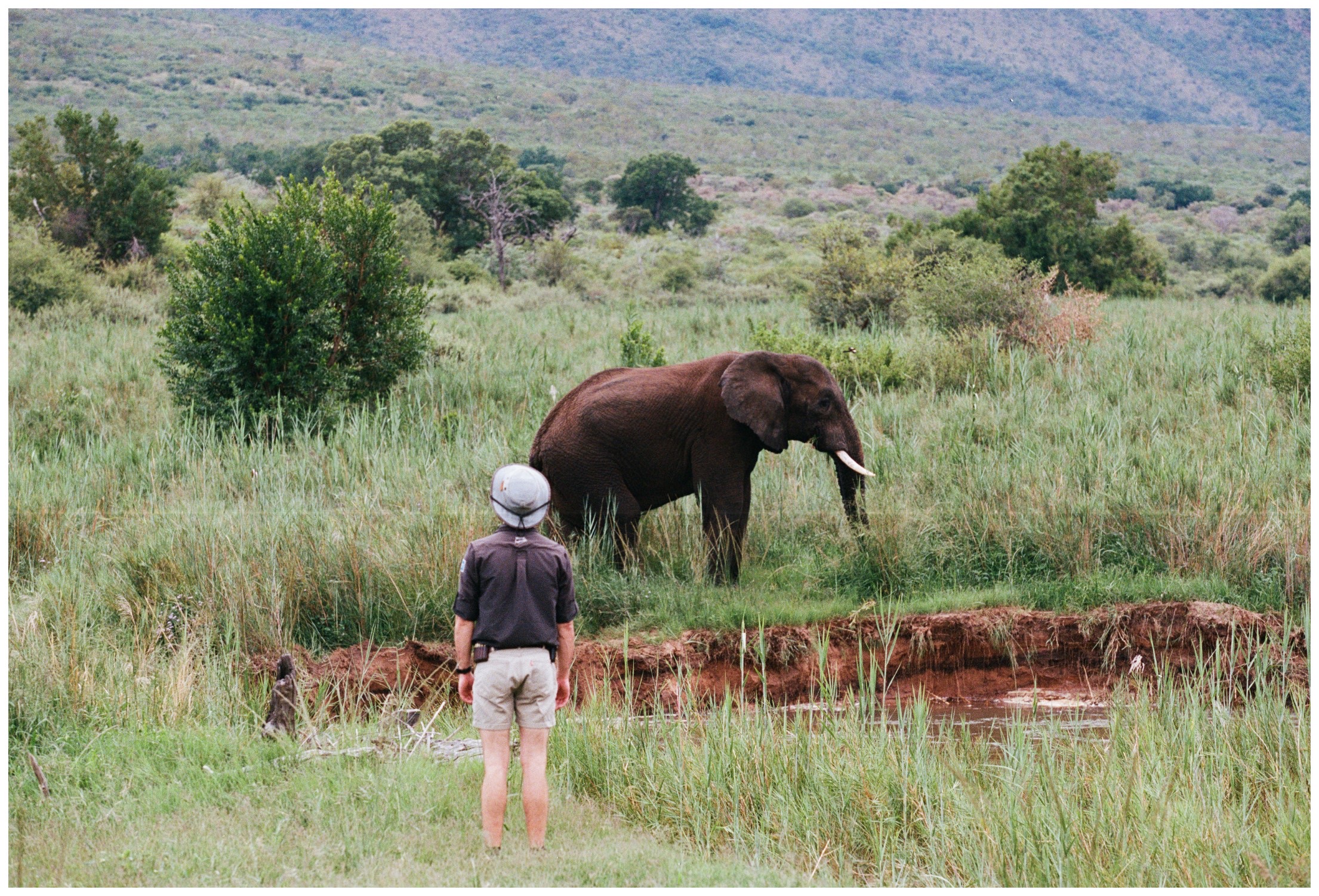
At Le Therapist, we sometimes slip into the inspiration card the idea of a film camera. Not out of nostalgia, but for a precise reason: when you can only take thirty-six photos in twenty-four hours, each shutter press is a decision. You wait. You observe. You choose. And in that choice, something essential takes place: you begin to see the world as a photographer sees it — as a place where beauty is not everywhere, but can rise up at any moment for those who know how to wait.

Photographing with intention turns the world lived into a world inhabited.

Share this post
https://le-therapist.webflow.io/journals/pourquoi-on-photographie

Votre voyage commence par une conversation

Why We Photograph

Le Therapist
2026

Why We Photograph

Le Therapist
0:00 0:00

There is a question we never ask often enough: why do we photograph so much when we travel? And why, despite the thousands of photos taken, do we remember so little of certain journeys?

__wf_reserved_inherit

Photography as presence or as escape

Researchers at Stanford University ran a striking experiment: two groups of visitors in a museum. The first photographed the works. The second simply looked. A memory test a week later showed the camera-free group remembered the details far better. The explanation is counterintuitive: the act of photographing delegates memorisation to the device, which frees the brain from the effort of real attention. We photograph in order not to truly see.

But photography can also work the other way. When it is intentional, slow, considered, it forces you to look differently. You search for an angle, a light, a moment. You learn to compose. You give value to the ephemeral. It is a training in sensitivity.

The case for film

At Le Therapist, we sometimes slip into the inspiration card the idea of a film camera. Not out of nostalgia, but for a precise reason: when you can only take thirty-six photos in twenty-four hours, each shutter press is a decision. You wait. You observe. You choose. And in that choice, something essential takes place: you begin to see the world as a photographer sees it — as a place where beauty is not everywhere, but can rise up at any moment for those who know how to wait.

Photographing with intention turns the world lived into a world inhabited.