








The Inner Geography
The Inner Geography
If you were asked to draw the map of your inner life, it wouldn't resemble an organisation chart. It would resemble a geographical map. With places, reliefs, zones of shadow and places where the light comes in.
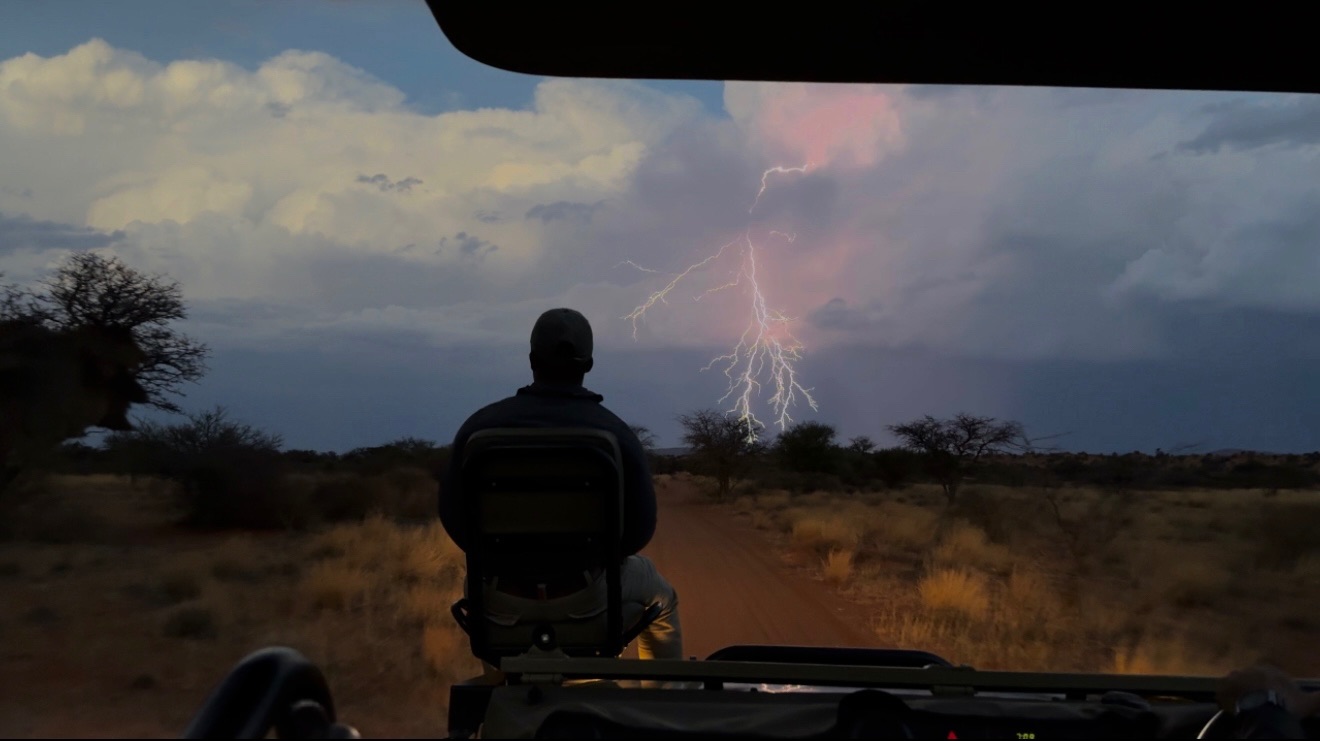
The places we have loved do not leave us
Geographers have a word for this: topophilia. The love of a place. It is not simply an aesthetic preference. It is a structuring bond. The places we have inhabited, crossed, loved have shaped us in a way that neither the books read nor the people met can reproduce. There is something in being physically somewhere, in the particular light of a place, in the smell of the air, in the way the ground sounds underfoot, that inscribes itself in bodily memory and remains.
Certain destinations work like mirrors: they reflect what we are going through. Others like thresholds: they mark a transition. Still others like remedies: they soothe and repair what was hurt. Confusing the three — setting out in search of a remedy and finding a mirror, or going in quest of a threshold and getting only spectacle — is one of the most frustrating things that can happen in travel.
The question we ask before all the rest
Before designing an itinerary, we always ask the same question: how do you feel at this moment in your life, and what do you need to feel? These two questions lead to destinations radically different from those a person would have chosen alone. Someone who needs humility doesn't need a paradise island. They need Patagonia.
To travel is to map your soul.
