



What ancestral peoples teach us
What ancestral peoples teach us
Breaths of the living
Amazons, Maasai, San of the Kalahari, Socotrans, peoples of the Altai or the Amazonian forests…
All over the world, cultures rooted in nature and the sacred embody another way of inhabiting the living. These peoples pass on to us not fixed lessons but keys, so that we might relearn how to be humbler and more aligned.
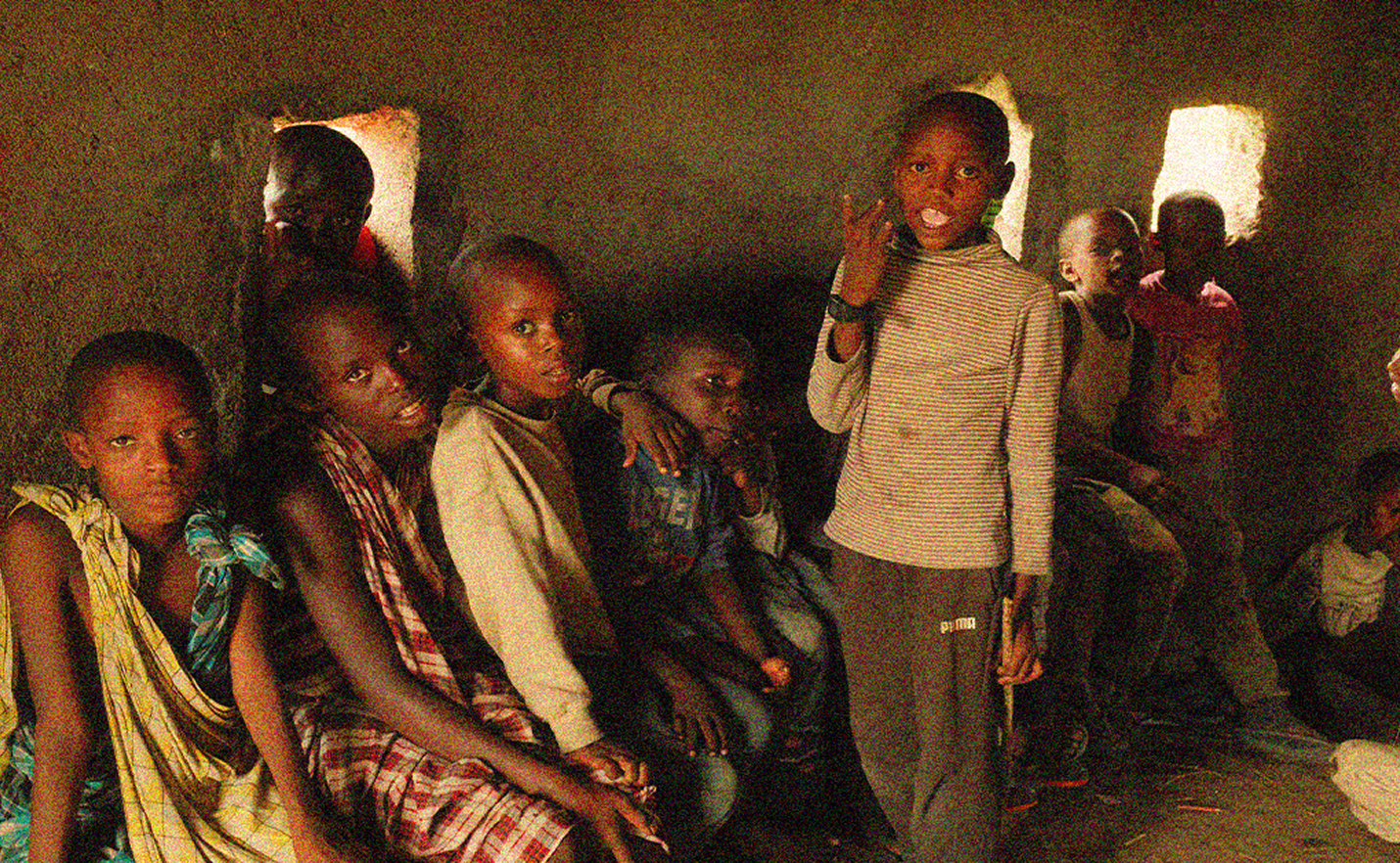
The Amazons, both mythical and real, speak to us of feminine sovereignty, of sisterhood as a political force, of free and powerful bodies. In ancient Dahomey, battalions of women warriors, the Mino, defended their kingdom without ever yielding to invaders.
Sacred inheritances
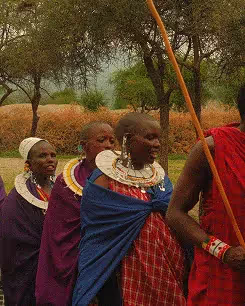
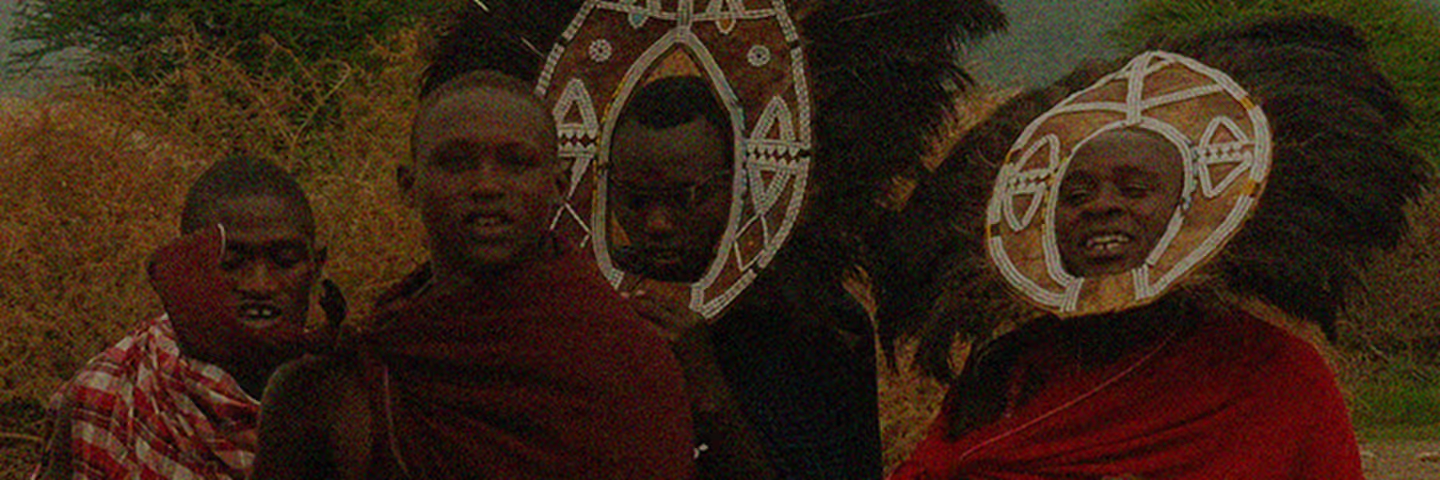
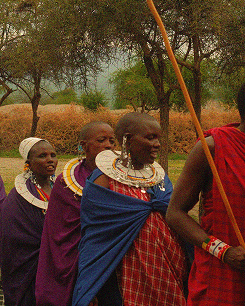
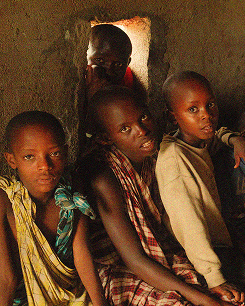
The Maasai, a pastoral people of Kenya and Tanzania, embody a natural elegance, a sacred bond with the land and the herd. Their rites of passage teach mastery, patience, the link between the human being and the elements. Their bearing, their silence, their slowness are gestures of wisdom.
The San of the Kalahari live by ancestral cycles: hunting, gathering, healing dance, rock painting. Among them, silence is a language. Their world is woven from invisible signs they read in the sand, the stars, the breath of the wind.
Ancestral forces
All these peoples share a vision of the world that is not anthropocentric, one in which the human being is a part of the living, not its summit. Their values, courage, transmission, listening and ritual, are radically contemporary.
At a time when our Western societies are losing their connection to the body, to nature and to the sacred, these ancient voices sound like compasses. They remind us that to travel can be a rite of passage: not consuming an elsewhere, but being transformed within it.